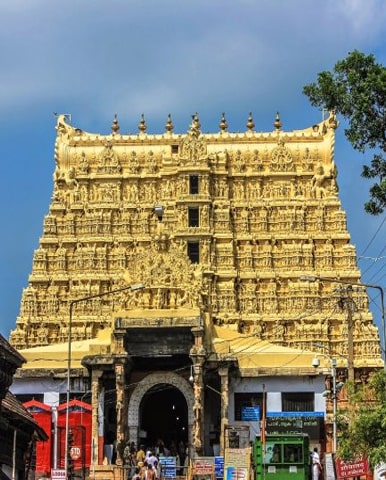
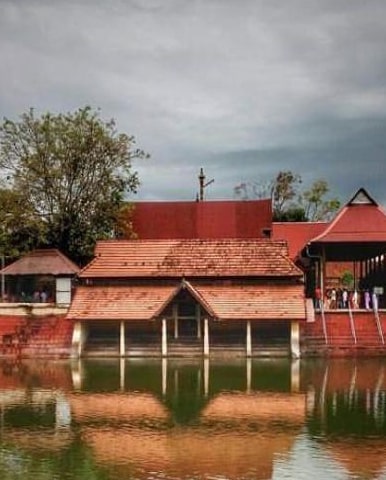
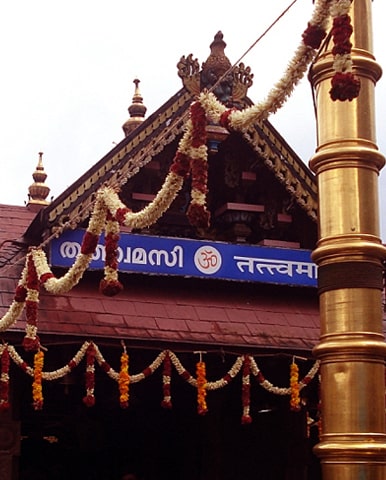
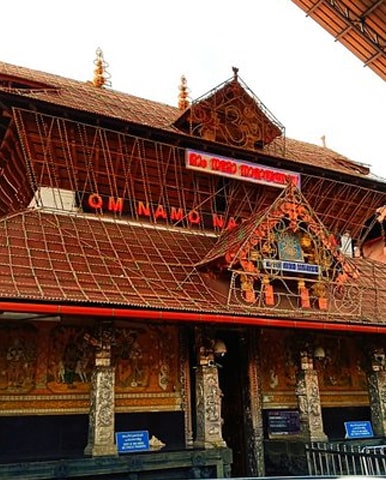
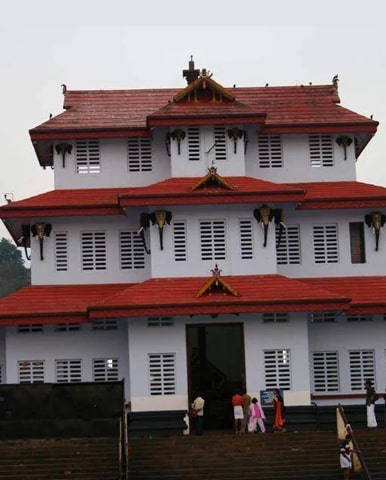
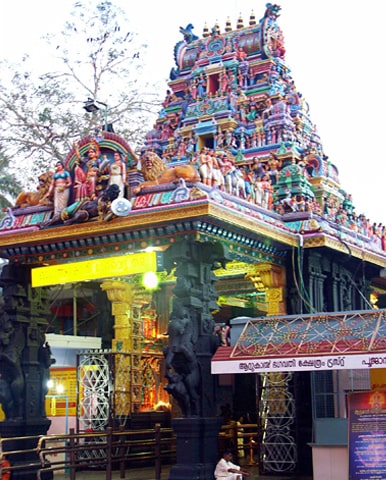
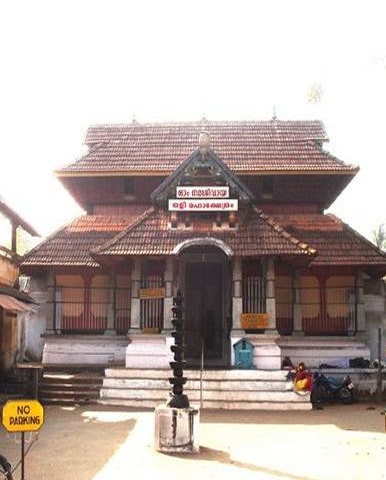
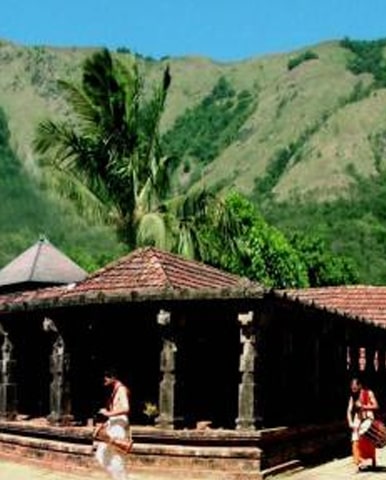
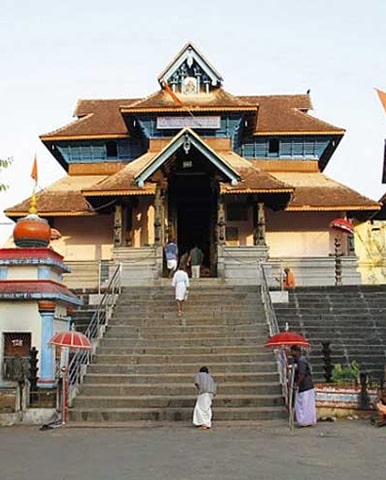
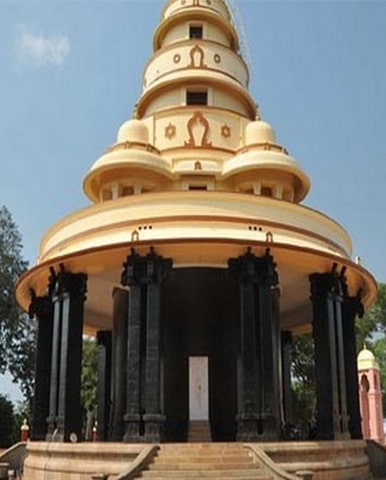
Chottanikkara Devi Temple, Kochi
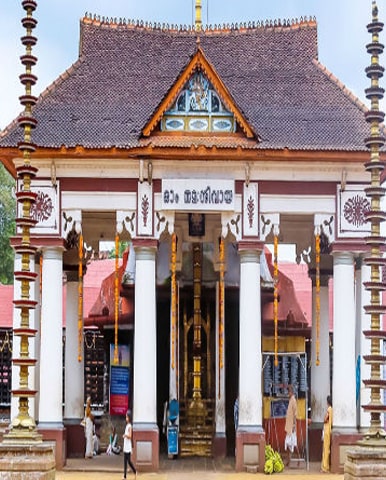
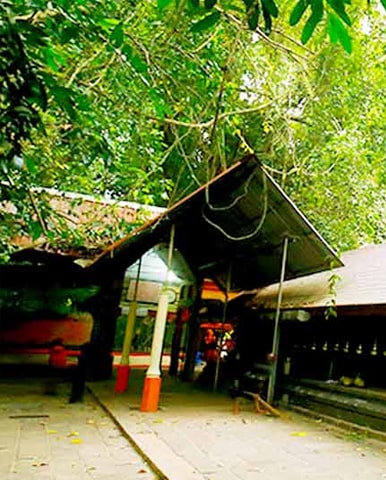
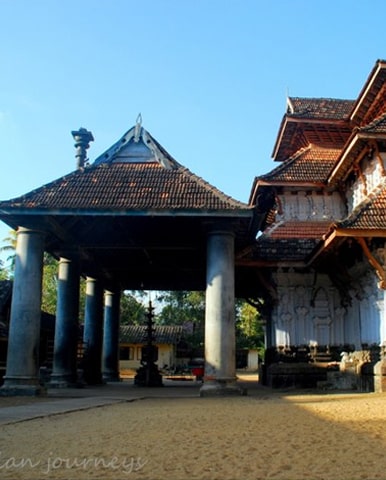
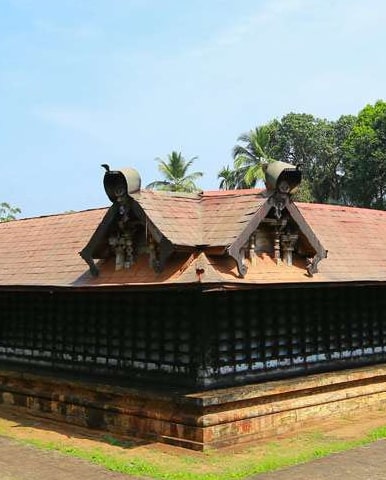
The Chottanikkara (correction of Jyotiannakkara) Devi Temple is a famous temple of mother goddess Bhagavati. She is a form of Mahalakshmi. Lakshmi is believed to be residing in Chottanikkara along with the supreme deity lord Maha Vishnu. The temple is located at Chottanikkara, a southern suburb of the city of Kochi in the state of Kerala, India and is one of the most popular temples in the state. In terms of temple architecture, Chottanikkara temple stands out to be an ultimate testimonial for the ancient vishwakarma sthapathis (wooden sculpture) along with Sabarimala temple. Sree Mahamaya Bhagavati (Adi Parashakti), the goddess of saraswati, Lakshmi and Parvati is one of the most popular deities in Kerala and the supreme mother goddess in Hinduism. Chottanikkara Devi (Melekavu Bhagavathi) is worshipped at the temple, in three different forms: as Mahasaraswati in the morning, draped in white; Mahalakshmi at noon, draped in crimson; and as Mahakali in the evening, decked in blue. Goddess 'Keezhkkaavu bhagavathi' is believed to be Bhadrakali, in her fierce form or Ugra form. Bhadrakali, is a form of mother Kali, supposed to be born from the third eye of lord Shiva, to kill the demon king Darika. People suffering from mental illnesses and commonly visit the temple, as Chottanikkara devi is said to cure her devotees. Guruthi pooja is a ritual done at late evening to invoke goddess Mahakali. Earlier 'Guruthi Pooja' was done only on Fridays. But nowadays, it is performed every day.
The area in which the temple is situated was once a dense jungle that is to said to be infested by yakshis and raktharakshas. A tribesman named Kannappan used to live in this forest. He was a devout worshipper of Kali, and would ritually sacrifice a cow to her every Friday (the day of the Goddess). One day, he found a beautiful black calf near the forest. He kidnapped the calf and took her to his altar. Just before he sacrificed the calf, tribesman's daughter Manimanga stepped in and pleaded to him to stop the sacrifice. The man loved his daughter and thus let her keep the calf as a pet. Unfortunately, Manimanga died some days later, possibly due to a snake bite. Kannappan broke into tears and decided to cremate her body. To his surprise, his daughter's corpse disappeared. A nearby priest told him the reason for such an occurrence; Kannappan used to forcibly take young calves from their mothers and sacrificed them. As punishment, he met the same fate when his daughter died. However, when the tribes man looked for the calf, he found two divine stones in its place. The priest again tells him that the stones were actually divine and that they represented the divine couple, Vishnu and Lakshmi, and to pray before these stones everyday and he would be forgiven for what he had done in the past.
Since Kannappan's death, the stones were forgotten. One day, a grass-cutter came to the forest to cut some wild grass. Since her knife was blunt, she sharpened it on what she thought was a big stone. Only it was a stone, but then it started bleeding. Horrified at what she saw, she brought the matter to the public's attention. A nearby priest was called to solve the problem. After devaprasnam, it was concluded that the stones were divine.
Another legend associated to the temple was that of the spiritual leader Shankaracharya. During the time where he lived, Adi Shankara realised that there wasn't a single temple in Kerala that signified the worship of goddess Lakshmi. As a result, he himself went to the Kodachadri hills in Karnataka and meditated for many days for the goddess to appear before him. His meditation bore fruit and before him stood the stunningly beautiful goddess, clad in red. On enquiry, he said that he would like to bring the goddess to Kerala and establish a temple dedicated to her worship. This way the people from Kerala would not have to go such far off distances to worship her, as in the case for those who were old and aged. After a lot of persuasion, the goddess agreed; she would follow him by foot wherever he went, but only on one condition. If he trusts her, then he was not allowed to look back to see if she followed him or not. If he did, then wouldn't go any further. He agrees and they proceed walking. They were walking down the Kodachadri hills, with Shankara leading the way and goddess' anklets tinkling and letting him know that she was with him. After walking some distance, the tinkling stopped all of a sudden. Shankara waited a few moments and stole a quick look backwards to find the goddess still with him, watching him with reproach. In keeping with the condition, the goddess stopped right there. This is the spot which would turn out to be the Mookambika temple. Shankara, however, was not one to give up. He apologized profusely for breaking the condition and repeatedly begged and pleaded with the goddess to go with him to Kerala. After many pleas, the goddess agrees to a compromise and came to Chottanikara in Kerala, where the Chottanikara temple stood.
From early hours of morning, goddess would come and appear before the devotees at the Chottanikkara temple. Then in the afternoon, she would return to the Mookambika temple (spot where she stopped). Since then, the sanctum doors of the Chottanikkara temple were opened during early morning hours in honour of worshipping goddess Saraswati before the doors of the main sanctum in Mookambika temple were opened.
Source : Wikipedia
TrasnportBy Road: KSRTC Central Bus station is near the Ernakulam Junction railway station. It runs Express and Fast services from Ernakulam to other major cities within Kerala and into the neighbouring states. Reciprocal services from other States are also available. There are plenty of private buses available for travel from Ernakulam to other cities. They operate from High Court Junction, Railway Station and Kaloor Junction.
By Train: The nearest station is at Ernakulam about 17km away from Chottanikkara. The two railway stations in Kochi are Ernakulam Junction and Ernakulam Town. Trains from the Northern cities/Southern parts of India stop at Ernakulam Junction.
By Air: International Air Port is at Nedumbassery, near Aluva, about 22 kms away from Ernakulam, Kochi.