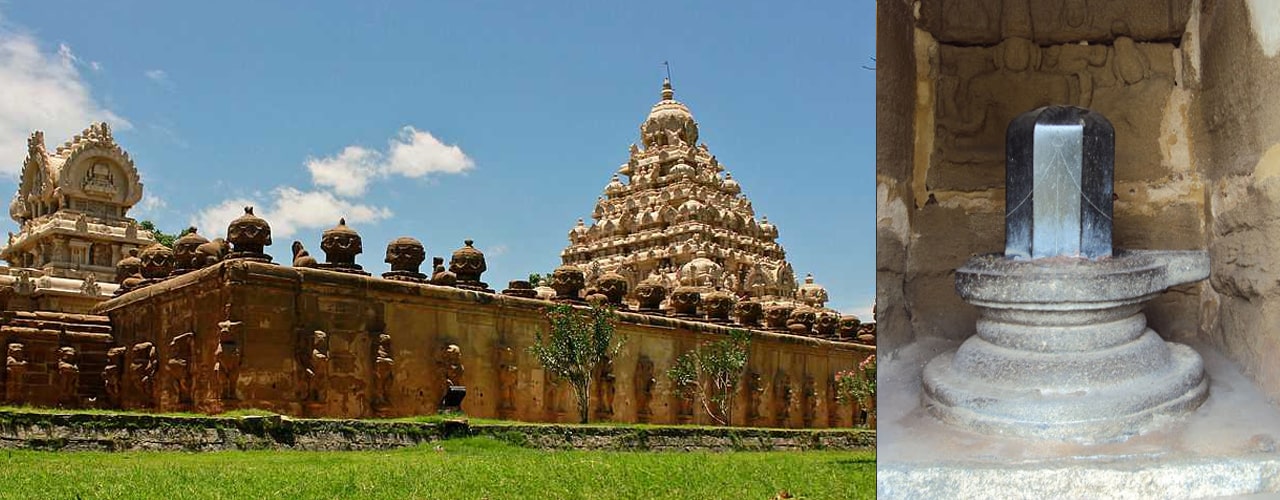
Kailasanathar Temple, Kanchipuram
The Kanchi Kailasanathar temple is the oldest structure in Kanchipuram.Located in Tamil Nadu, India, it is a Hindu temple in the Tamil architectural style. It is dedicated to the Lord Shiva, and is known for its historical importance. The temple was built from 685-705 AD by a Rajasimha (Narasimhavarman II) ruler of the Pallava Dynasty. The low-slung sandstone compound contains a large number of carvings, including many half-animal deities which were popular during the early Pallava architectural period.The structure contains 58 small shrines which are dedicated to various forms of Shiva. These are built into niches on the inner face of the high compound wall of the circumambulatory passage.The temple is one of the most prominent tourist attractions of the city.
The Kailasanathar Temple (meaning:"Lord of the Cosmic Mountain"), is built in the tradition of Smartha worship of Shiva, Vishnu, Devi, Surya (Sun), genesha and Kartikeya, in Hinduism
Temple construction is credited to the Pallava dynasty, who had established their kingdom with Kanchipuram (also known as "Kanchi" or "Shiva Vishnu Kanchi") as the capital city, considered one of the seven sacred cities under Hinduism. In Kanchi, after the Pallavas expanded their territories to the north, west and south both within Tamil, Andhra and Kannada territories under Emperor Narasimhavarman I, they started expanding their capital city of Kanchipuram and built many temples of great magnificence. Among the two unique specimens of temple architecture of the period 640-730 AD are the Tiru Parameswara Vinnagaram, which is also known as the Vaikunta Perumal temple and the Kailsahanathar Temple.
The temple was built during 685-705AD.It is the first structural temple built in South India by Narasimhavarman II (Rajasimha), and who is also known as Rajasimha Pallaveswaram. His son, Mahendravarman III, completed the front façade and the gopuram (tower). Prior temples were either built of wood or hewn into rock faces in caves or on boulders, as seen in Mahabalipuram.The Kailasanathar temple became the trend setter for other similar temples in South India.According to local belief, the temple was a safe sanctuary for the rulers of the kingdom during wars. A secret tunnel, built by the kings, was used as an escape route and is still visible.It is believed that Raja Raja Chola I (985–1014 CE) visited the temple and drew inspiration from this temple to build the Brihadeeswara Temple.
Currently, Kanchi Kailasanathar Temple is maintained by Archaeological Survey of India.
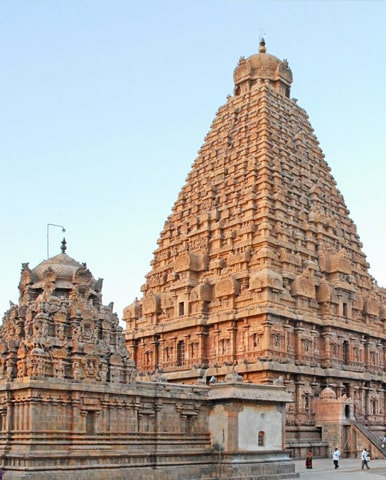
The temple has retained the Pallava architecture in its original stylized form with influence of the later styles developed by the Chola Dynasty and Vijayanagara Emperors.It is of stone built architecture unlike the rock cut architecture built into hallowed caves or carved into rock outcrops as in Mahabalipuram. The tall gopuram (tower) is to the left and the temple complex is to the right.The temple's foundations are made of granite, which could withstand the weight of the temple, while the superstructure, including the carvings, are all made of sandstone. Initially, only the main sanctuary existed with pyramidal vimana and a detached mandapa (main hall).
The temple complex is complete in all respects as it has garbagriha (sanctum sanctorum), antarala (inner enclosure), mandapa, a high compound wall, and an entrance gate, the gopuram.The mandapa, which was initially detached, was made part of the main shrine by interposing an ardhamantapa (smaller hall). The pillars of the mandapa have the repetitive features of mythical lion mounts.
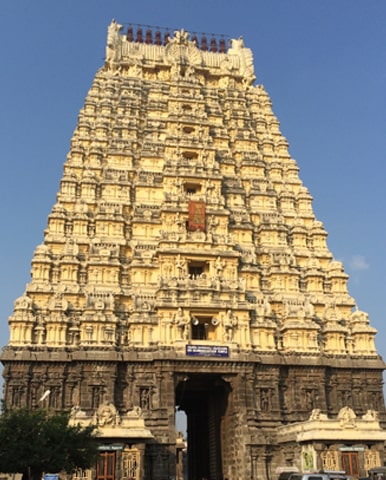
The structure has a simple layout with a tower or vimana at the center of the complex. The vimana of the temple, above the main shrine (sanctum sanctorum), is square in plan and rises up in a pyramidal shape. The tower has many levels rising proportionately.At the top of this tower, there is a small roof in the shape of a dome. The pillar elements with mythical animal shapes (lions on the base) are extra features in Pallava style.At the entrance, the gopuram walls are plastered. Its entrance wall has eight small shrines and a gopura, precursor to the main gopura. At some later stage, the mandapa and the sanctuary were joined by an intermediate hall called the ardhamantapa, which is reported to have marred the beauty of the temple to some extent. The temple is enclosed within walls in a rectangular layout.
Source : Wikipedia
TrasnportBy Road: Buses are available from Tirunelveli Junction Bus Stand
By Train: Nearest Railway Station – Cheranmahadevi
By Air: Nearest Airport – Thoothukudi