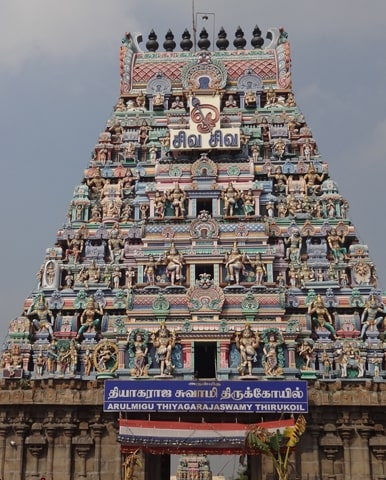
Arulmigu Thiyagarajaswamy Temple, Tiruvottiyur
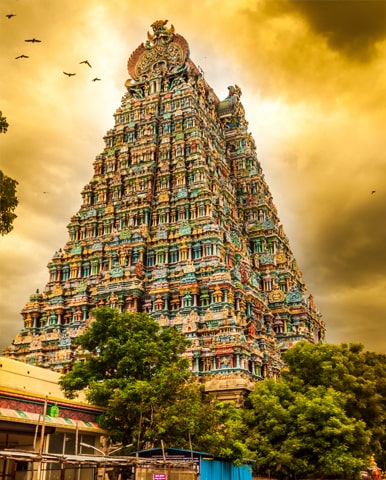
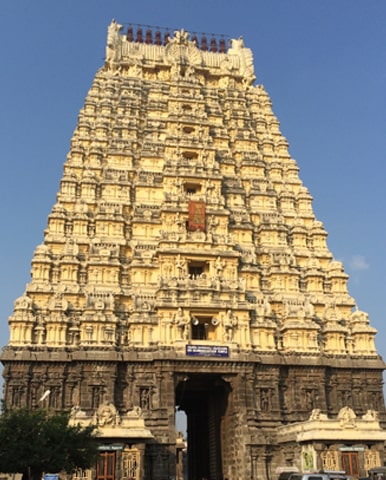
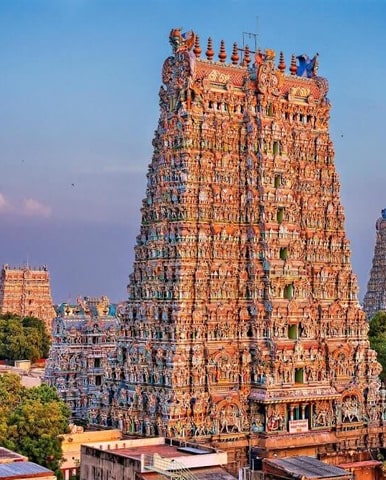
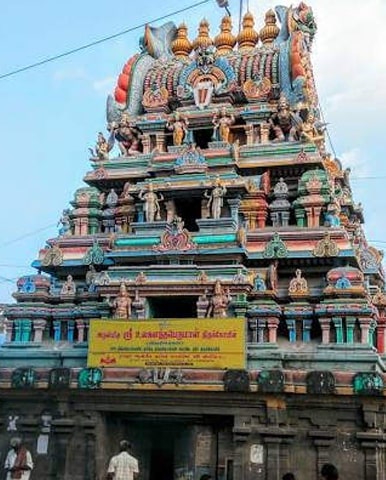
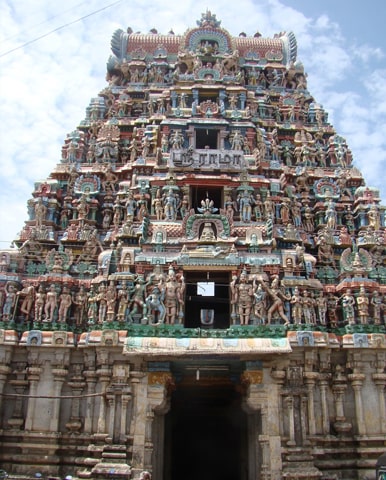
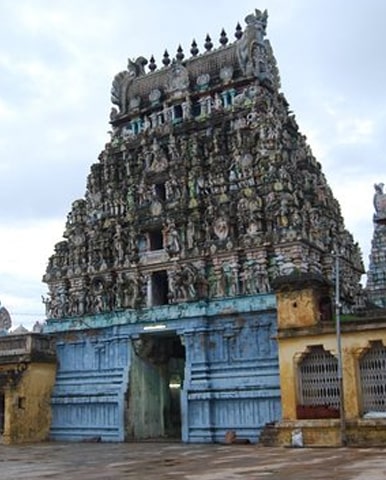
Thyagaraja Temple (also called as Vadivudai Amman Temple) is a Hindu temple dedicated to Hindu god Shiva. It is located in Tiruvottiyur in the northern part of Chennai, Tamil Nadu, India. The temple is revered by the Tevaram hymns of Saiva nayanars, the 7th century Tamil saint poets and classified as Paadal Petra Sthalam.All the Three of Thevaram Moovar(Appar, Samandar and Sundarar) has rendered Thevaram songs in this temple. The temple is closely associated with the saint poet Sundarar and Pattinathar. The temple has been in vogue from the Pallava times of the 7th century and widely expanded by Chola kings during the 11th century. The temple has a seven tiered gateway tower, a tank, with the overall temple area covering 1 acre. The temple is administered by the Hindu Religious and Endowment Board of the Government of Tamil Nadu. The temple draws parallel with the Thygaraja temple in Tiruvarur as both the temples were expanded by Rajendra Chola I and both have the same dance poses of Shiva. The temple is one of the 51 Sakthi Peetams in the country.
The temple was the centre of learning, with the halls inside the temple acting as venue for religious discourses in subjects like vyakarna (translation), Somasiddantha (philosophy) and Panini's grammar.There was a hermitage attached to the temple during the 9th century, presided over by Caturananas Pandithar.The temple also had philosophical discourses and expositions on grammar.There are references to recital of Prabhakara, Rudra, Yamala, Purana, Sivadharma, Panchanga and Bharata.Lands were granted to learned scholars and their generation like Vedavritti, Bhattavriti, Vaidyavritti and Archanavritti.
There are a number of inscriptions inside the temple dating back to Pallava period.Sankaracharya, the 8th century scholar in the advaita school of Hinduism is believed to have visited the temple to put down the power of evil.
The temple was originally built by Pallavas and later rebuilt by Rajendra Chola I.The inscription dating 954 CE, the fifth year of the Chola king Gandaraditya indicates 90 sheep for burning lamps and ilavilaku, a lamp made in Sri Lanka).The inscriptions dating from 1046 CE reveal that 64 bronze nayanmar statues were installed in the temple.There were equal number of dancing girls called Devadasi in the temple, who were divided into two groups - the valankai dasis danced for Thyagaraja, while the idangai dasis danced for Vadivudaiamman.During the reign of the Malik Kafur, much of the temple was destroyed and the bronze idols present now in the temple were installed during the Vijayanagara period of the 15th century.A 13th-century inscription indicates the practise of animal sacrifice to the goddess, which continued along with offering intoxicating drink till the early 2000s.Famous saints like Pattinathar, Topeswamigal and Ramalinga Swamigal lived in this town and prayed Thyagaraja in this temple. This place is also home to Thiruvottiyur Thyagayyar who is a carnatic composer and poet.The temple had been a centre of learning as seen from the inscriptions in the temple. The inscriptions indicate specific subjects like Purvamimansa styled as Pravahakarma. There were also provisions made for feeding and maintaining for teachers and students.
The presiding deity is Aadhipureeswarar is in the form of a mud mound covered by an armour. On the day of the full moon of the Tamil month karthigai, the armour is removed and the representation of the god is visible to devotees. The Lord is anointed with punugu, javvadhu, and sampirani oils. There is a Durga shrine in the northern side of the temple. Inside the main temple complex - Just opposite to the main shrine we find the Nataraja shrine and in the koshta is the Ganapati Shrine. The Ganapati is known as Gunalaya Ganapati (abode of bliss) and as we circumbulate the shrine we find the idol of Adi Shankara -just wee behind the main Shrine inside the Complex. We also find deities like Subrahmanya installed there. The Dakshinamurthy statue is in the Northern Koshta facing south and we come to the Sub complex Shrine of Kali. Adi Shankara is said to have installed a chakra to calm down the Devi and to make her Sowmya roopi (Calm and resplendent). To this day - a select group of Nampoothiri Families perform the pooja and aradhana to this Lord and Goddess as desired by Adi Shankara.
The name of the goddess at this temple is Vadivudaiamman alias Tripurasundari. The goddess is housed in a separate shrine inside the Temple complex. This temple is one of the Three Sakthi Temples in the region. Thiruvudai Amman, Melur is known as Ichchaa Sakthi (the one who fulfills wishes); Vadivudai Amman, Tiruvottiyur is known as Gnaana Sakthi (the one who blesses with Gnaanam) and the Kodiyidai Amman Temple, Thirumullaivoyal as Kriyaa Sakthi (the one who assists us in all our actions).
Other deities present in the temple include Agasalingam, Thiruvotrieswarar, Thiruputheeswarar(between Vattaparaiman and Durga shrines), Kuzhandhai Eesar, Kalyana Sundarar, Jaganadhar, Annamalayar, Ramanathar, Suryan, Chandran, Nalvars, Jambukeswarar, Nagalingar, Meenakshi, Sundareswarar, Sahasralingam, Amirthakandeesar, Gowlieeswarar, and Ekapaadhar, Gunalaya Vinayagar, Aruljothi Murugan, Valar Kali. The twenty seven stars of Tamil calendar are believed to have worshipped Shiva in this temple.
Source : Wikipedia
TrasnportBy Road: Bus lines to Vadivudai Amman Temple, Thiruvottiyur in Saidapet
By Train: Train stations near Vadivudai Amman Temple, Thiruvottiyur in Saidapet
By Air:The nearest airport is Chennai